The Herbst appliance is a type of orthodontic appliance that is used to correct overbite, a condition where the upper teeth significantly overlap the lower teeth. It is named after its inventor, Dr. Emil Herbst.
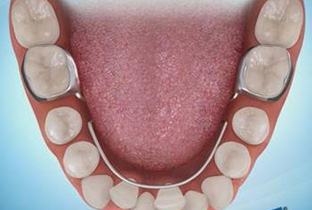
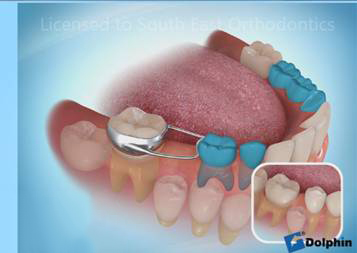
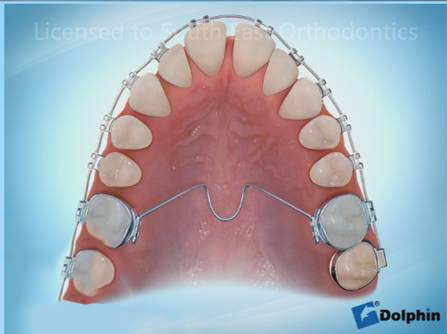
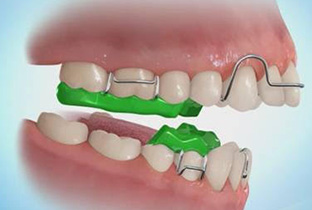
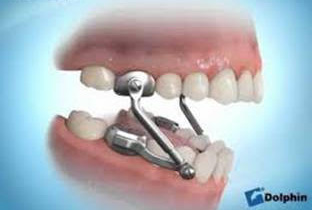
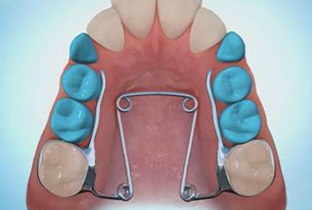
The Herbst appliance is typically used in cases where the overbite is caused by a discrepancy between the size of the upper and lower jaws. The appliance consists of metal rods that are attached to bands placed on the upper and lower molars. The rods are designed to hold the lower jaw forward in a more natural position, which can help reduce the overbite.
The Herbst appliance is typically worn for 9–12 months and it is adjusted periodically by an orthodontist to ensure that the jaw is being moved in the correct direction. Patients may experience some discomfort or difficulty speaking and eating during the first few days after the appliance is placed, but these side effects usually subside quickly.
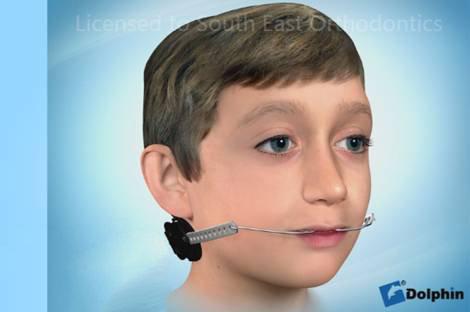
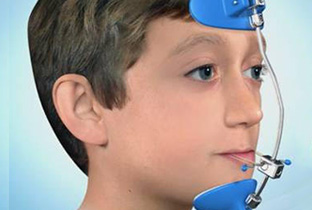
One of the advantages of the Herbst appliance is that it can help correct the overbite without requiring the patient to wear headgear. It can also be used in conjunction with other orthodontic appliances, such as braces or aligners, to achieve optimal bite correction and tooth alignment.
As with any orthodontic treatment, the use of the Herbst appliance requires careful monitoring by an orthodontist to ensure that the treatment is progressing as planned and to address any issues that may arise.